The Complex World of Jueteng and Its Digital Evolution
Jueteng is a popular numbers game deeply embedded in the cultural and social dynamics of the Philippines. Despite its controversial status, often being linked to illegal gambling, it has managed to sustain its popularity among the Philippine masses. In recent years, as technology advances, platforms like the Sbet app have introduced a digital dimension to this traditional game, creating new discussions around legality, accessibility, and regulation.
Understanding Jueteng: A Brief Overview
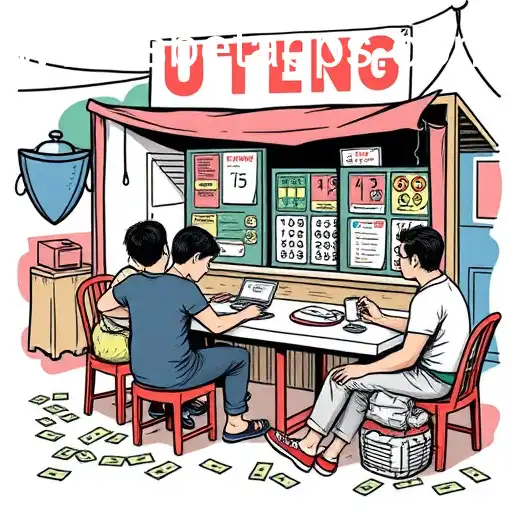
Jueteng originated from China and was introduced to the Philippines during the Spanish colonial era. The game operates on a simple premise: bettors select a combination of numbers from 1 to 37, and winners are determined through a random draw. The allure of Jueteng lies in its simplicity and the immediate gratification it offers to participants. Traditionally, Jueteng operations are run by local aficionados known as kubradors, who collect bets from players and submit them to a central coordinator, called the cabos.
Socioeconomically, Jueteng thrives in impoverished communities where it serves as both entertainment and a glimmer of hope for financial relief. The game is not officially recognized by the government; however, its persistence highlights a complex relationship between societal needs and regulatory frameworks.
The Legal Conundrum of Jueteng
The legal status of Jueteng is a significant aspect of its operation. Despite being classified as illegal, Jueteng's existence is often tolerated and, in some cases, even supported by local authorities. This acceptance is partly due to the game's profitability and its integration into societal norms. Anti-gambling campaigns have been launched by the government, yet many officials face challenges in eradicating Jueteng due to its deep-rooted influence and the perceived economic benefits it brings to communities.
Efforts to curb Jueteng have often been met with resistance and limited success. The Philippines Charity Sweepstakes Office (PCSO) has introduced authorized alternatives, like the Small Town Lottery (STL), to draw people away from Jueteng. However, these measures have not significantly diminished the game's popularity. Jueteng's unregulated nature allows it to offer better odds and larger payouts, factors that state-sanctioned lotteries struggle to compete against.
Digital Transformation: The Rise of the Sbet App
The digital age has brought about significant changes in how traditional games are played, and Jueteng is no exception. The advent of mobile technology and platforms like the Sbet app have provided Jueteng with a new avenue for expansion. The Sbet app allows users to place bets from the convenience of their smartphones, broadening the reach of Jueteng beyond its traditional regional boundaries.
However, with innovation comes increased scrutiny. The move to digital platforms raises questions about regulation, data security, and the potential for increased addiction. While apps like Sbet offer ease of access and anonymity for users, they also create challenges for authorities attempting to regulate illegal gambling activities.
Regulatory Challenges and Opportunities
As Jueteng enters the digital realm, regulatory bodies are tasked with navigating the complex landscape of internet-based betting. There is a compelling need for comprehensive regulation that addresses the nuances of online gambling, particularly with platforms like Sbet app gaining traction. Developing stringent frameworks that ensure fair play, protect user data, and curb illegal activities is essential.
Moreover, the adoption of technology in Jueteng could potentially lead to innovative approaches in promoting responsible gambling. Authorities could leverage digital platforms to monitor betting patterns, identify problem gambling behaviors, and implement real-time interventions. Such measures could aid in transforming the perception of Jueteng from a purely illegal venture to something that contributes positively to society.
Cultural Persistence and Economic Impact
The continuous popularity of Jueteng highlights its cultural significance within Filipino society. Beyond the realm of gambling, it functions as a socio-cultural phenomenon providing communal entertainment and social interaction. Jueteng's ability to adapt and survive through various forms, including digitalization, is a testament to its entrenchment in Filipino life.
Economically, Jueteng generates substantial revenue, albeit unofficially. This revenue stream supports a complex network of jobs, from kubradors to community benefactors. Addressing Jueteng's economic impact requires exploring avenues for legalizing and formalizing its operations, which could enhance transparency, allow for taxation, and mitigate the financial risks associated with illegal gambling.
Conclusion: Navigating Future Pathways
Jueteng, with its deep-rooted cultural significance and economic impact, represents a unique challenge for Filipino society. The transition toward digital platforms like the Sbet app introduces both opportunities and challenges in managing and regulating this enduring game. The future of Jueteng depends on the ability of stakeholders to balance its traditional appeal with modern regulatory approaches that promote safety, legality, and responsible gaming.